Rooted in Myth, Woven Through Time
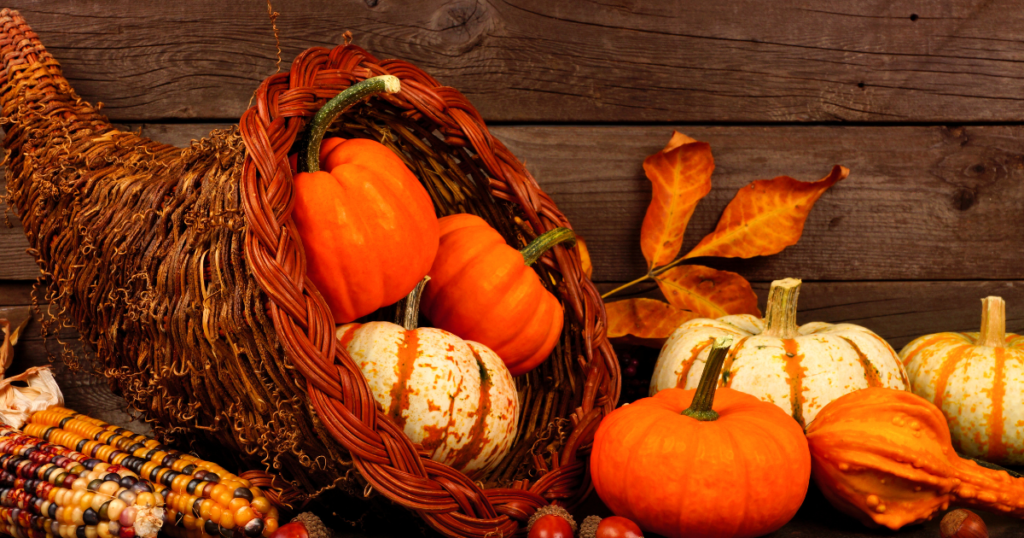
The word cornucopia comes from Latin: cornu (horn) and copiae (abundance). In ancient Greece and Rome, it symbolized nourishment, harvest, and endless blessing. Over the centuries, it evolved from a literal goat’s horn to the woven horn-shaped basket we recognize today — overflowing with fruits, flowers, and gratitude.
Mythical Origins
Long before it graced harvest tables, the cornucopia sprang from legend.
Amalthea and Zeus: The baby god Zeus was nourished by a goat named Amalthea. When one of her horns broke, it magically produced an endless bounty of food.
Heracles and Achelous: In another tale, Heracles tore the horn from a river god during battle. Filled with fruits and blossoms, it became a gift of plenty to humankind.
Both stories remind us that abundance often comes through courage, creativity, and care — values every weaver understands.
From Horn to Basket
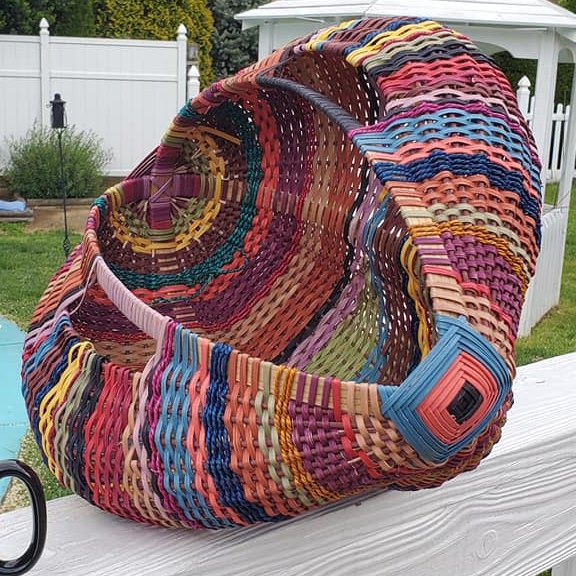
Ancient harvesters once carried horn-shaped baskets to gather crops — practical containers that freed their hands. Over time, these evolved into woven horns of plenty, blending function with artistry. By the Renaissance, artists filled cornucopias with overflowing produce to symbolize prosperity, gratitude, and renewal. Today, basket makers continue that legacy each time they weave a vessel that holds life’s bounty.
Weaver’s Reflection
Every basket, like the cornucopia, is a promise of abundance — not only in what it holds, but in what it represents: connection, art, and care. When you weave, you carry the same spirit that once filled the mythical horn of plenty — the desire to nurture, to share, and to celebrate the harvest of your hands.
“Each basket you weave is your own horn of plenty — a reminder that the world is richer because of what you make. May your reed flow smoothly, your rim hold strong, and your heart stay open to all the wonder your hands can create.”
— Lorelea, Offerings of Wonder by Lorelea